
Memory, Forgetting, and the Past
The Interpretation of DreamsThis thread follows the book's movement from puzzling dream memories to a model in which the past remains active beneath consciousness.
increasing Bearing strength in each event
 decreasing
Bearing strength in each eventdecreasingForgotten Knowledge Returns
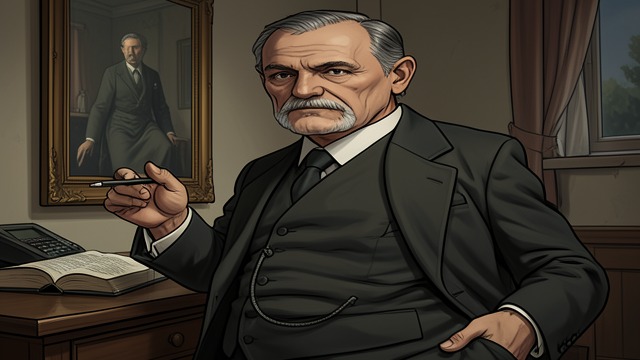
Forgotten Knowledge Returns
A name remembered in sleep
Dreamers sometimes use words or facts they cannot recall while awake. Later encounters can reveal where the information came from.
Memory exceeds awareness
The examples challenge the assumption that conscious recollection contains everything the mind has retained.
Childhood Scenes Reappear
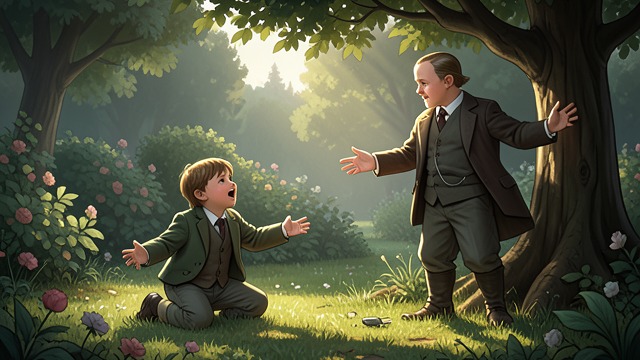
Childhood Scenes Reappear
Early impressions persist
Dreams bring back people, places, and experiences from childhood, often without the dreamer recognizing them. Analysis can recover their connections.
The past remains available
Freud treats forgotten impressions as enduring elements of psychical life rather than erased events.
Dreams Select the Trivial
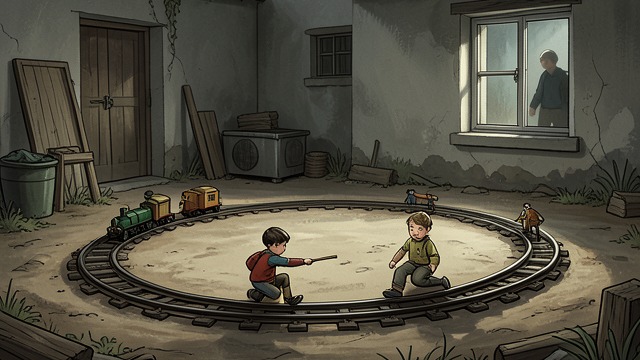
Dreams Select the Trivial
Uneven recollection
Dreams often reproduce minor details while omitting more significant waking experiences. The selection seems irrational if judged by conscious importance.
Distortion explains selection
Freud argues that a trivial detail can stand in for a more important thought that cannot enter directly.
Forgetting as Resistance
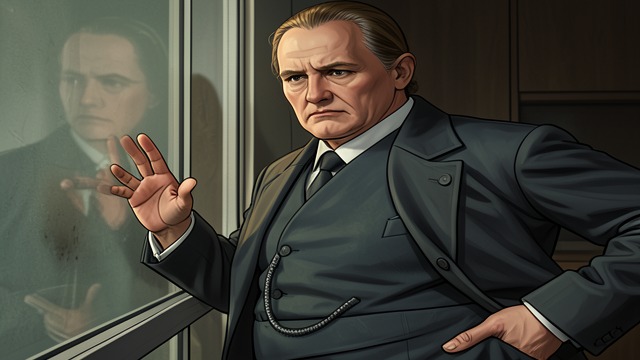
Forgetting as Resistance
The account changes
Freud acknowledges that dream memory is incomplete and may be revised when recounted. He nevertheless treats those changes as meaningful rather than arbitrary.
Forgetting has a motive
Resistance can suppress the dream or weaken its most revealing details, making recollection part of the analytic problem.
The Past in the Present
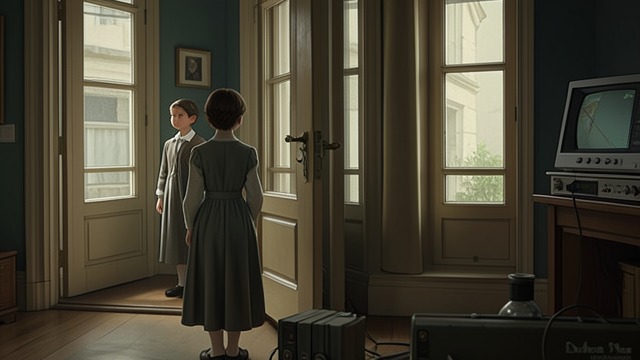
The Past in the Present
No simple disappearance
Freud argues that unconscious wishes and memories can remain active long after conscious attention has moved elsewhere.
A future shaped by memory
The dream may represent a wish as future fulfilment, but Freud says its materials and force come from the past.
During the early memory examples
During Chapters I and V
During the discussion of dream material
In Chapter VII's opening section
At the end of the book
